Originally Published on September 24, 2026 by WFAA
FORT WORTH, Texas — The project that will reshape a large portion of Fort Worth took another step toward completion on Thursday.
The US Army Corps of Engineers awarded a contract for construction of the North Bypass Channel, which is a major feature of the Central City Flood Control Project. The project, formerly known as the Panther Island Project, is already reshaping the rapidly growing city.
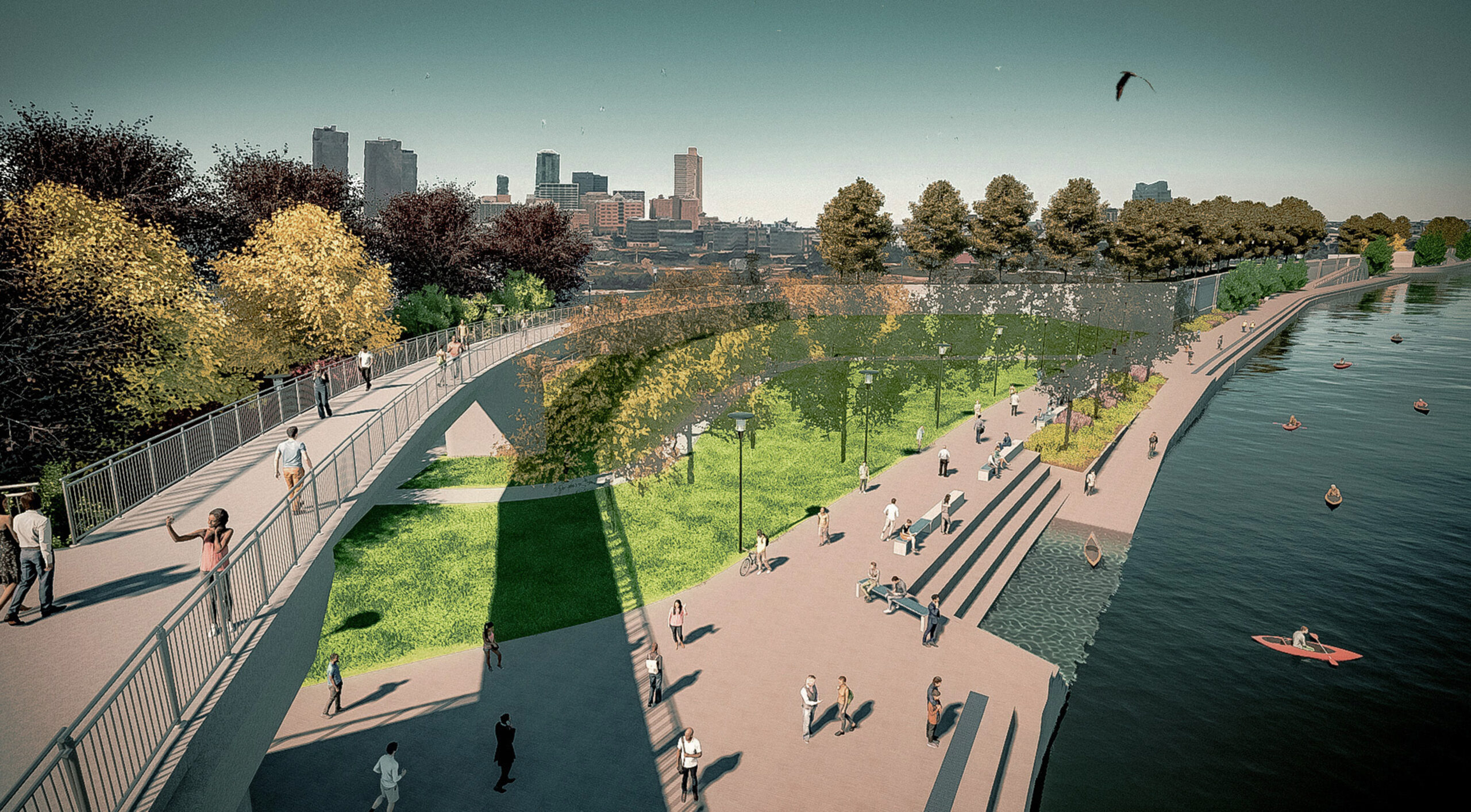
The project, and its crucial bypass channel, will create the appearance of an 800-acre natural island in a space that formerly housed industrial warehouses and dump sites. The project will also, according to Corps officials, protect 2,400 acres of land from flooding and take pressure off the city’s aging levee system.
The newest development in the project, a $169,431,703 contract with Walsh Construction Company, is crucial to the flood control aspect of the project. The Corps authorized the contract for the federally authorized Central City Project in partnership with Tarrant Regional Water District, the local sponsor, and in coordination with the city of Fort Worth, the Corps said in a press release.
“The Central City Flood Control Project took another major step forward with the USACE awarding the construction contract for the North Bypass Channel,” Mayor Pro Tem Carlos Flores, who represents the area, said in a statement. “TRWD, the City of Fort Worth, and Tarrant County continue to work in partnership to move this complex and crucial flood control project into the next major construction phase.”
The rest of the article is available at WFAA.